
SDV Media is a lightweight operating system that adds media functionality to SDV Core.
SDV Media reference implementation

Figure 1. SDV Media architecture.
SDV Media is based on SDV Core and adds media capabilities by adding access to hardware engines like GPU, video, and audio. Future releases might add additional hardware engines.
The reference implementation uses VirtIO to implement the hardware abstraction,
in particular virtio-gpu, virtio-media, virtio-sound, and virtio-input.
SDV Media exposes hardware capabilities through standard Linux kernel interfaces
(DRM/KMS, Video4Linux, ALSA, and evdev) and standard userspace APIs (libdrm,
libgbm, EGL, OpenGL ES, Vulkan, and libtinyalsav2), avoiding Android HALs to
preserve fast startup times. Bare-metal or non-VirtIO virtualized
implementations can replace the VirtIO drivers by supporting these standard
Linux kernel interfaces through GKI-compliant vendor kernel modules and standard
userspace APIs directly in /vendor while keeping boot, /system,
/system_ext, and /product unmodified.
SDV Media contains the full functionality of SDV Core, which means it contains the SDV communication stack, uses GKI, and includes all other features of SDV.
Integration options
The remainder of this page explains the two options for SDV Media integration.
Option 1: Host-based (recommended)

Figure 2. Host-based integration.
The host-based integration option uses VirtIO within the guest to implement the functionality independent of the actual hardware. The hardware-specific drivers are integrated on the host side and implement devices according to the standardized VirtIO-based interface to communicate with the guest.
The performance depends on the host-side device and driver implementation, but tests have shown that the system can achieve high performance and startup speed.
Another benefit of this solution is that images on infrastructure and hardware can be very similar, as the guest uses standardized interfaces. This leads to minimal to no changes to run on different devices; the hardware dependency is limited to the host.
Option 2: Native or vendor driver integration
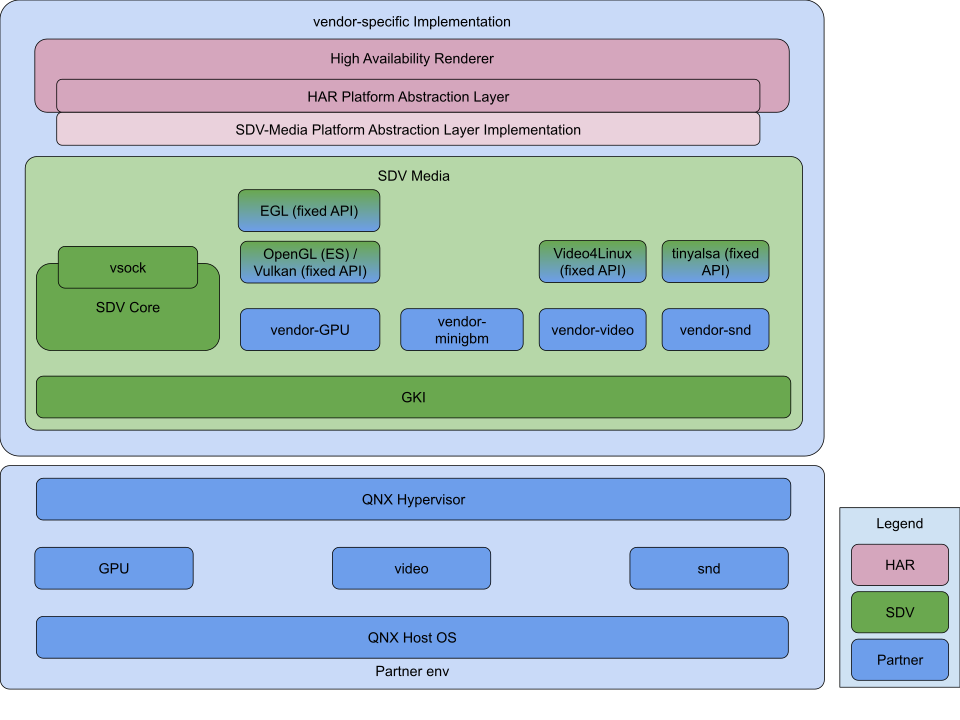
Figure 3. Native or vendor driver integration.
In this integration option, used for bare-metal deployments or virtualized
environments without full VirtIO support, the normative boundaries are the
standard Linux kernel interfaces—DRM/KMS (/dev/dri/*), Video4Linux
(/dev/video*), ALSA (/dev/snd/*), and evdev (/dev/input/event*)—and the
standard /vendor-backed graphics libraries (libgbm.so, libEGL.so,
libGLESv*.so, and libvulkan.so). Partners supply GKI-compliant kernel
modules (vendor_dlkm) and /vendor libraries without modifying boot,
/system, /system_ext, or /product partitions or overriding system or
product APEX packages.
Because this approach uses SoC-specific or hypervisor-specific drivers on hardware compared to VirtIO in virtual infrastructure, partners must validate behavioral consistency across both environments.
SDV Media requirements
SDV Media requirements assume that all SDV Core requirements are
fulfilled. This can be achieved by using the VirtIO reference implementation in
a virtualized environment, which is strongly recommended, or by supplying
compliant GKI vendor kernel modules and /vendor driver implementations on
bare-metal or non-VirtIO platforms as described in the preceding sections.